
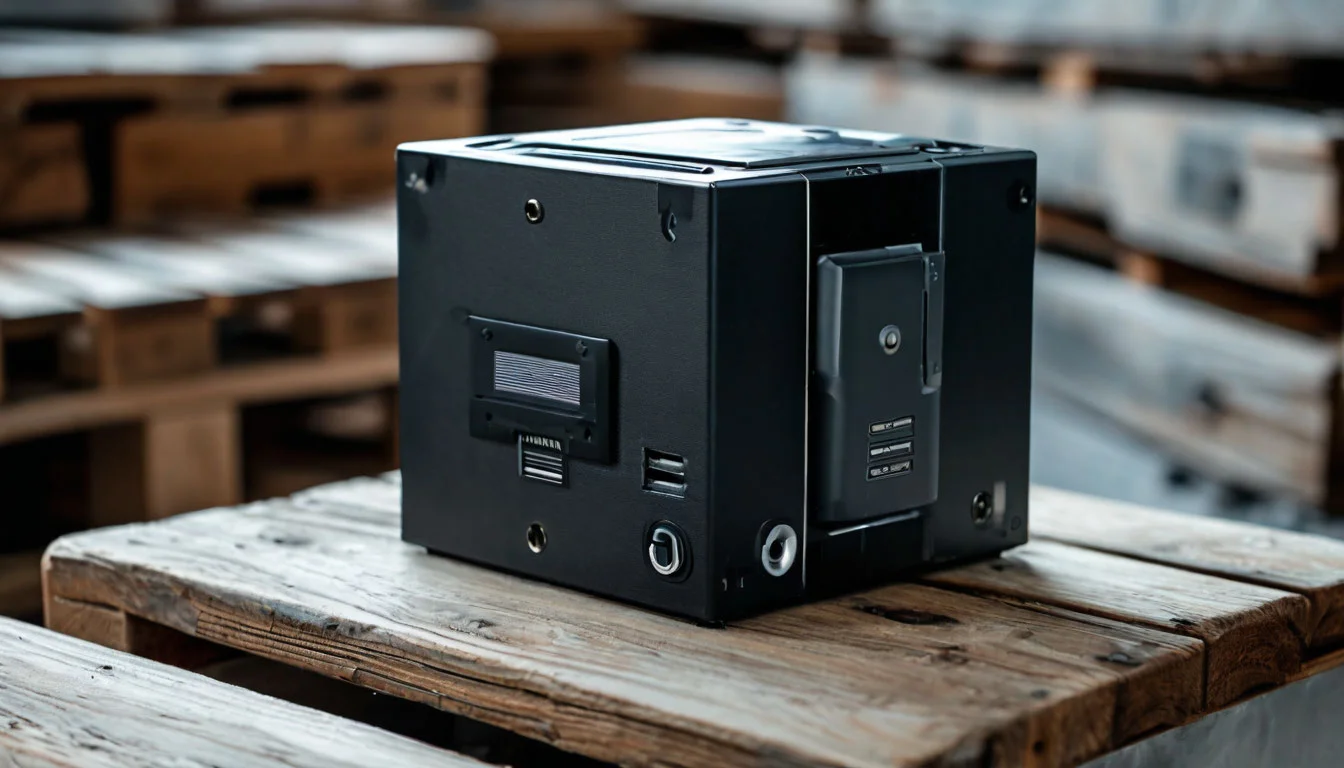
Black Box in AI Startups: How to Protect Proprietary Technology and IP
Introduction
In the rapidly evolving landscape of AI startups, protecting proprietary technology and intellectual property (IP) is a critical concern. The “black box” nature of many AI systems—where the inner workings are not transparent—adds an extra layer of complexity to this challenge. This article explores various strategies and measures that AI startups can employ to safeguard their proprietary technology and IP.
Understanding the Black Box
The term “black box” in AI refers to systems where the internal mechanisms that process input and produce output are not easily understood or visible. This opacity can be both a strength and a vulnerability. While it can protect the underlying algorithms and data structures from being easily reverse-engineered, it also poses challenges in terms of explainability and compliance with regulatory requirements.
Legal Protections for Proprietary Technology
Patents
One of the primary ways to protect proprietary technology in AI is through patents. A patent grants the inventor exclusive rights to their invention for a specified period. For AI startups, this can cover novel algorithms, unique machine learning models, and innovative applications of AI technology. However, obtaining a patent can be a lengthy and complex process, requiring detailed documentation and proof of novelty.
Trade Secrets
Trade secrets offer another layer of protection for proprietary technology. Unlike patents, which eventually become public knowledge, trade secrets can remain confidential indefinitely as long as the company takes reasonable measures to keep them secret. This can include non-disclosure agreements (NDAs), restricted access to sensitive information, and secure storage of source code and data.
Copyrights
Copyright protection can also be applied to certain aspects of AI technology, such as the source code of software applications and the datasets used to train machine learning models. While copyright does not protect ideas or functionality, it can protect the specific expression of those ideas in the form of code or data.
Technical Protections for IP
Encryption
Encryption is a fundamental technical measure for protecting sensitive data and algorithms. By encrypting the data used in AI systems, startups can ensure that even if the data is accessed by unauthorized parties, it will be unreadable without the decryption key. This is particularly important for protecting trade secrets and sensitive customer data.
Obfuscation
Obfuscation techniques can be used to make the source code of AI applications more difficult to understand and reverse-engineer. This can include renaming variables, removing comments, and restructuring the code in ways that make it harder to discern the underlying logic. While not foolproof, obfuscation can add an additional layer of protection against casual reverse-engineering attempts.
Watermarking
Watermarking is another technical measure that can be used to protect AI technology. By embedding unique identifiers or watermarks into the data or algorithms, startups can track the origin and usage of their technology. This can be particularly useful in cases of suspected IP infringement, as it provides evidence of ownership and can help trace the source of any unauthorized use.
For more insights into how these protections can be implemented effectively, you can explore further details on Leveosa’s comprehensive guide.
Conclusion
Protecting proprietary technology and IP in AI startups is a multifaceted challenge that requires a combination of legal and technical measures. By understanding the nature of the “black box” problem and implementing strategies such as patents, trade secrets, encryption, obfuscation, and watermarking, startups can better safeguard their innovations and maintain a competitive edge.
If you have questions, please contact us using the feedback form below.